

Terry Pratchett: 1999 A new Discworld novel from Terry
Pratchett is always a major publishing event. The series shows no sign of
faltering as its 24th novel, The Fifth Elephant, heads for the bookshops and – as
always – the bestseller lists. This time Samuel Vimes of the Ankh-Morpork City
Watch visits sinister Uberwald (Discworld’s version of Transylvania) on a
diplomatic mission among scheming vampires, murderous werewolves, and
hot-headed dwarfs whose most sacred relic, the Scone of Stone, has just been
stolen…. For Amazon.co.uk, Terry Pratchett talked to David Langford about his
latest book – and others in the pipeline.

• Which aspect of The Fifth Elephant are you most pleased with?
Terry Pratchett: There’s always an element of surprise for
the author when a complex character moves through the plot. I liked the way
Vimes reacted to Uberwald and the way he’s desperate to work within the
framework of…
View original post 1,635 more words
 Step 1
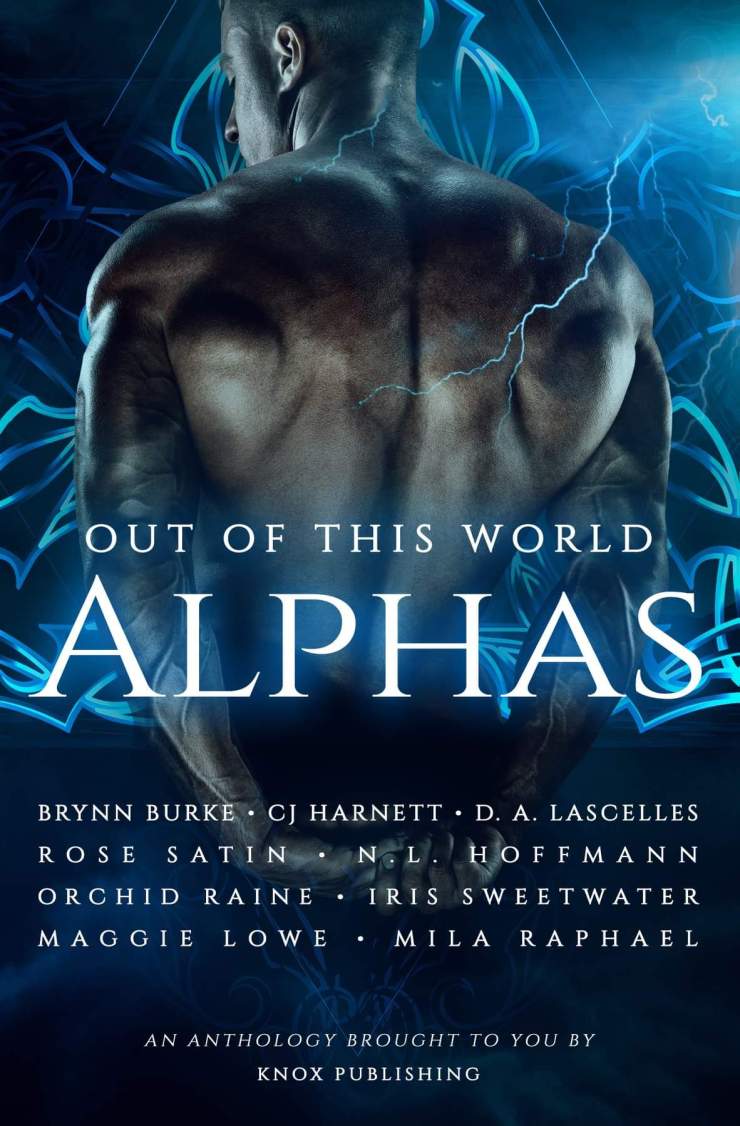
 The Devil’s West books are set in the American West, the land that in our timeline was the Louisiana Purchase. I’d taken a major on American social and political history in college, so the bones of What If were already set: what if our exploration into the West had gone differently? What if, instead of a Gold Rush and a Land Rush, instead of Manifest Destiny, we’d been forced to slow down, to consider the territory west of the Mississippi a sovereign land, to be wooed and negotiated with rather than colonized? What if magic resisted “civilization?”
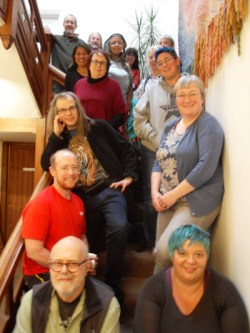 Milford Group 2018
  The first chapter of your book needs to be a bit special. All of the chapters need to be special, but Chapter 1 needs to be extra special. This is your agent-catcher. It’s the chapter where you need to hook that agent’s attention – or reader’s attention – and then keep them going. Your first chapter should be so polished that water can’t even settle on it, it just slides right off without any friction at all.
 There’s something about the process that works well for me, though I don’t know why. All I can say is there’s a connection between mind and eye and hand so they feel like three parts of one thing. Pen and paper stimulates and focusses my imagination and lets the ideas flow – though not in any order. I’ll brainstorm everything in a few sessions, one plot point, or scene, or character, or piece of dialogue per piece of paper. I’ve found this much more…
 Have you ever noticed that the more constraints you face in your writing, the more creative you become? I used to write a collage piece with a group of writers—just for fun, you understand. This involved the giving and receiving of short phrases from everyone in the group, so that you end up with perhaps six unrelated phrases to work with. If working alone, you can choose random words/phrases from the book you are currently reading. The challenge then is to write a piece that incorporates all the phrases within ten minutes. As an additional constraint pick one of the phrases to start and finish the piece with.
